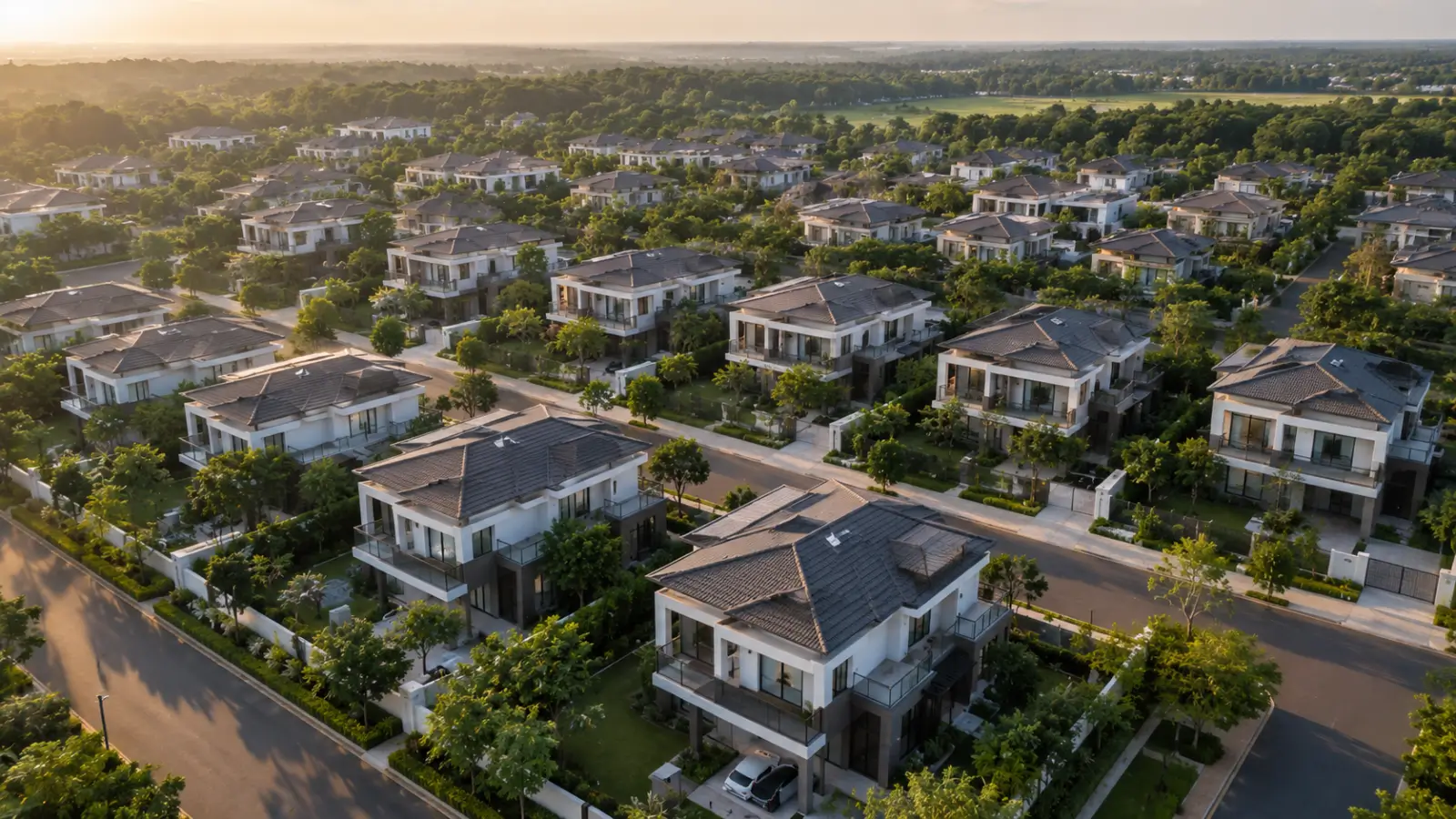
Finishes impress at a viewing and density decides the next decade. The benefits of low density apartments in bangalore show up in ordinary moments —...
Finishes impress at a viewing and density decides the next decade. The benefits of low density apartments in bangalore show up in ordinary moments — a lift that arrives, a lobby that is not crowded, a pool with room in it — rather than in anything a brochure photographs well.
The Arithmetic Behind the Idea
Density is simply homes divided by floors and land. A tower of 117 homes across 20 residential floors places five to six families on a typical level, sharing one lobby and a lift bank sized for that number. Several hundred homes on the same footprint produce a very different daily experience, regardless of how similar the specification sheets look.
Lifts and Lobbies
Peak-hour congestion inside a building mirrors the road outside. Morning departures cluster between eight and ten, and the number of homes served by each lift decides whether that period feels routine or frustrating. Fewer units per floor privacy also improves in a quieter way, since a small landing means fewer doors, less corridor traffic and neighbours you recognise rather than pass anonymously.
Amenities Without Competition
Shared facilities are only as good as the sharing ratio allows. A clubhouse serving roughly a hundred families rarely needs booking systems for the gym, and a pool at that ratio stays usable on a weekend afternoon. The trade is breadth: boutique projects usually offer a focused amenity set rather than multiple sports zones, which suits households that use two or three facilities regularly.
Maintenance and Decision-Making
Small communities manage themselves more easily. An association of a hundred-odd owners funds one tower, one amenity block and two basement levels, so the common-area burden stays proportionate and repairs get approved without layered committees. Vendor decisions move in weeks rather than quarters. Boutique residential projects tend to keep this advantage as long as the association stays engaged.
What You Give Up
The breadth of amenities a township can spread across several acres
Larger landscaped zones and multiple sports facilities
The lower per-household cost of spreading fixed expenses widely
The anonymity some residents actively prefer
Who Low Density Suits
Preferences differ genuinely here. Households that value quiet, recognise their neighbours and use a handful of facilities regularly tend to find the benefits of low density apartments in bangalore immediately obvious. Families with several children who want a wide range of activities inside the gate, or buyers who prefer the anonymity of a large community, often choose differently. Neither preference is wrong, and both are easier to test by visiting two projects of different sizes on the same weekend.
Resale and Rental Effects
Scarcity works in an owner's favour at exit. A 117-home community produces few resale listings in any given year, which means less competition when you sell and less pressure to discount. Tenants at the larger end of the market often prefer smaller communities for the same reasons buyers do, and larger formats attract families and corporate tenants who stay longer.
How to Test Density on a Visit
Numbers tell you what to expect; a visit tells you how it feels. Ask how many homes share a floor, stand in the lobby at a busy hour, look at the lift count against the unit count, and see the clubhouse during a weekend rather than on a quiet weekday morning. That is the honest way to assess the benefits of low density apartments in bangalore before committing to one.
Ask for the floor plate and unit count — Enquire Now
Related reading: Is a Single-Tower Project Better Than a Large Township?.
FAQs
What counts as low density?
Fewer homes per floor and per acre. A tower of 117 homes across 20 residential floors places five to six families on a typical level, sharing one lobby.What are the drawbacks?
A narrower amenity set than a township can spread across several acres, and fewer households to share fixed costs between.Does low density help at resale?
It can. Few listings appear in any given year, which means less competition among sellers, though it also means fewer comparable transactions for reference.
Related Articles

Global Capability Centres and Their Impact on Bangalore Housing
Captive centres changed the profile of the city's office demand, and housing followed. The gcc impact on bangalore real estate is easiest to see in...

KIADB Aerospace Park and the North Bangalore Industrial Corridor
Industrial employment shapes housing demand differently from office employment, and northern Bengaluru now carries both. The kiadb aerospace park...

What's Driving Bangalore's Real Estate Growth in 2026?
City-level narratives explain less than corridor-level numbers, which is why any answer to what is driving bangalore real estate growth in 2026...

Bangalore's Startup Scene and Premium Housing Demand
Wealth created by young companies eventually buys property, and Bengaluru has produced more of it than any other Indian city. The startup growth...