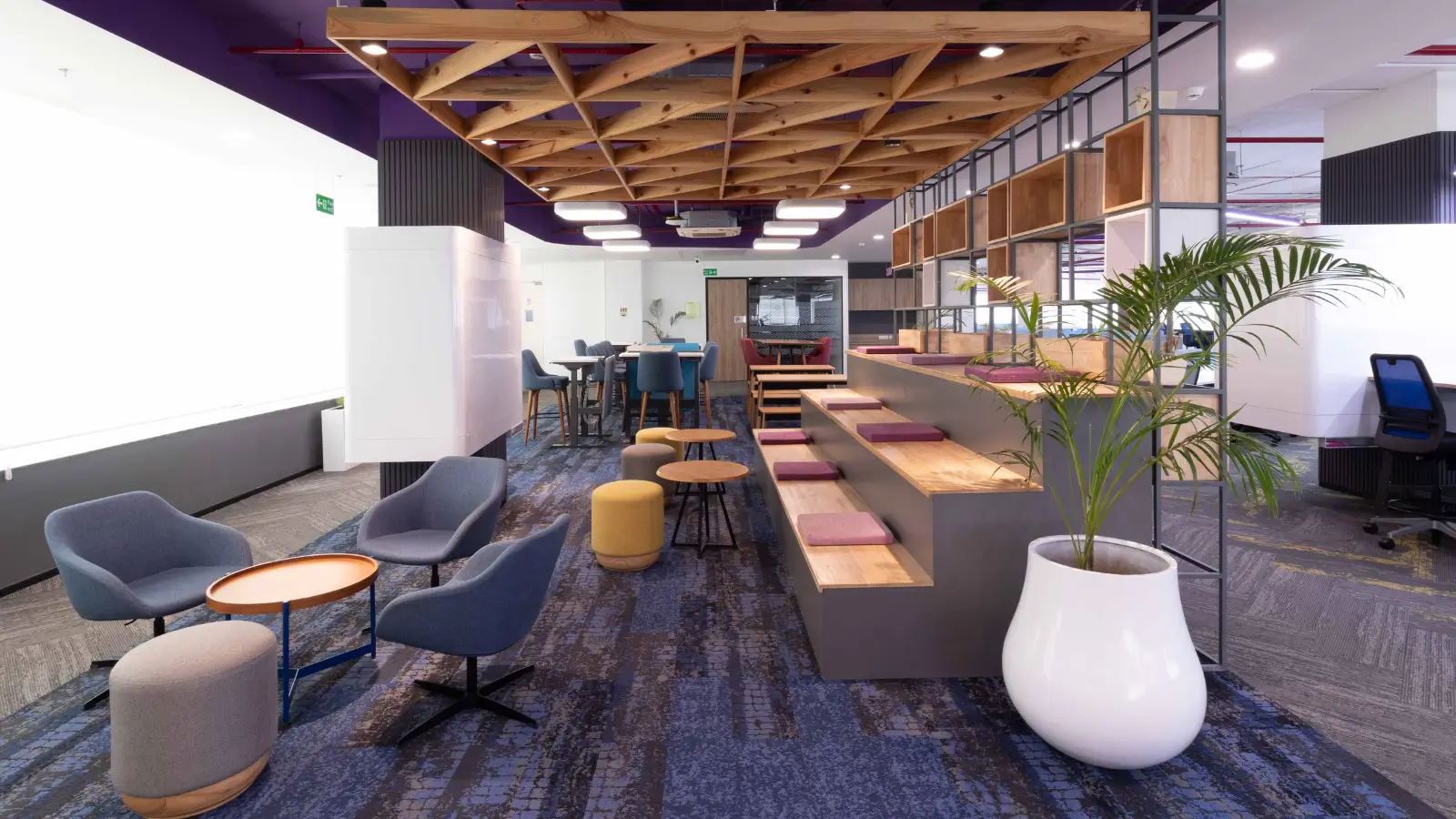
Wealth created by young companies eventually buys property, and Bengaluru has produced more of it than any other Indian city. The startup growth...
Wealth created by young companies eventually buys property, and Bengaluru has produced more of it than any other Indian city. The startup growth impact on bangalore property runs through two channels: founders and early employees converting equity into homes, and the offices those companies occupy creating rental demand around them.
How Equity Becomes Property
Liquidity events drive the purchases. Funding rounds, secondary sales and listings convert paper value into cash, and a share of that reaches residential real estate within months. Esop wealth and real estate connect for the same reason: employees exercising and selling options often make their first large purchase a home, usually in the corridor where they already live and work.
The Buyer Profile
These households buy differently from traditional salaried purchasers. Founders buying luxury homes tend to prioritise design, space and low density over address prestige, often purchase without the lengthy approval cycles of a joint-family decision, and are comfortable with under-construction projects from established developers. Age skews younger, which means longer holding periods and more attention to how a home will suit a growing family.
Why Space Matters to This Group
Work habits shape the brief. Hybrid and remote arrangements are common in young companies, so a dedicated room that closes, good daylight and reliable back-up rank above ornamental features. Larger three-bedroom formats and four-bedroom plans suit that, which is one reason demand has concentrated in the upper size bands rather than in compact units.
Where the Demand Lands
Office geography guides it. The northern corridors have drawn a share of this activity through Manyata Embassy Business Park at about 7.5 km from the northern Thanisandra stretch, Bhartiya City at roughly 3 km and Karle Town Centre SEZ around 8.5 km. Branded projects along this corridor trade in a band of about Rs 13,000 to Rs 16,000 per sft, against roughly Rs 15,000 to Rs 23,000 per sft for the Hebbal and Yelahanka luxury set.
Offices as Well as Homes
Young companies take space too. Growing firms lease in business parks and managed offices across the city, and the northern belt has absorbed part of that alongside its larger corporate tenants. Each new office adds households to the surrounding rental catchment within a year, which is the same mechanism that built this corridor in the first place. The startup growth impact on bangalore property therefore works through leasing as much as through purchases.
The Cyclical Caveat
Funding markets move in cycles, and so does this demand. A slow year for liquidity events produces fewer of these buyers, while a strong one produces a cluster of them. Corridors that depend only on this source feel that swing sharply. Those with steady corporate and multinational employment nearby absorb it, which is the practical argument for judging a location on its employment breadth rather than on any single demand story.
What This Means for Other Buyers
Competition for larger formats can tighten during strong funding cycles
Demand favours design quality and low density over sheer amenity count
Rental demand from the same group supports yields for owners
Resale pools in boutique projects stay thin, which supports pricing
Reading the Signal Properly
Use it as context rather than as a forecast. The startup growth impact on bangalore property explains part of why premium demand has held up in specific corridors, but a purchase should still rest on commute, documents, specification and price. Ask for the cost sheet and the RERA particulars, and judge the project on those.
Ask for the project document set — Enquire Now
Related reading: Global Capability Centres and Their Impact on Bangalore Housing.
FAQs
How does startup wealth reach property?
Through funding rounds, secondary sales and listings that convert equity into cash, and through employees exercising and selling options, often making a home their first large purchase.What do these buyers prioritise?
Design, space and low density over address prestige, with a room that works for hybrid work, good daylight and reliable back-up ranking above ornamental features.Is this demand reliable?
It moves with funding cycles, so corridors that also have steady corporate and multinational employment nearby absorb the swings better than those dependent on it alone.
Related Articles

Global Capability Centres and Their Impact on Bangalore Housing
Captive centres changed the profile of the city's office demand, and housing followed. The gcc impact on bangalore real estate is easiest to see in...
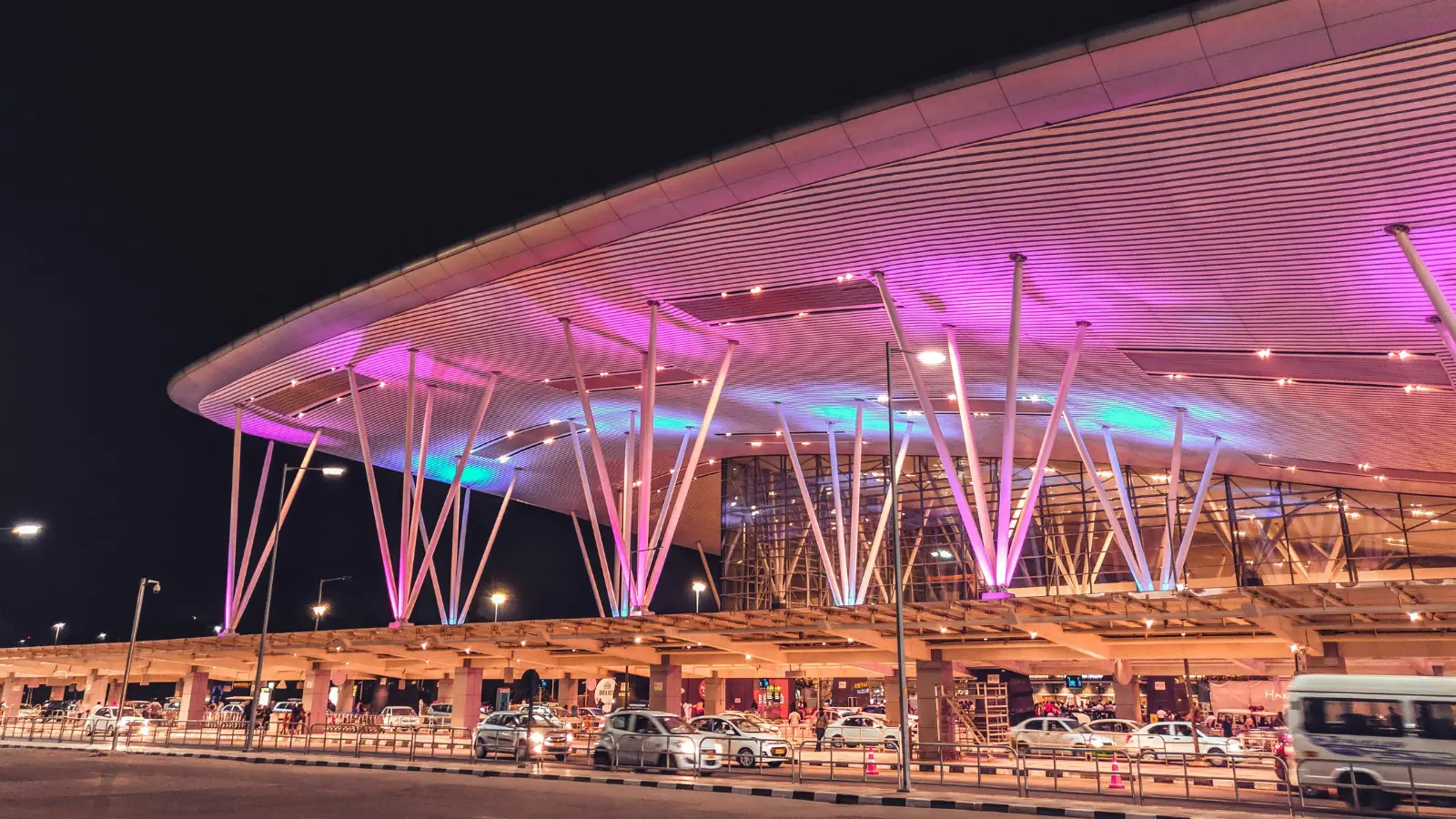
How Airport Expansion Is Reshaping North Bangalore
Airports create economies around them, not just traffic. The kempegowda airport expansion impact on property in the northern quadrant has run through...

What's Driving Bangalore's Real Estate Growth in 2026?
City-level narratives explain less than corridor-level numbers, which is why any answer to what is driving bangalore real estate growth in 2026...
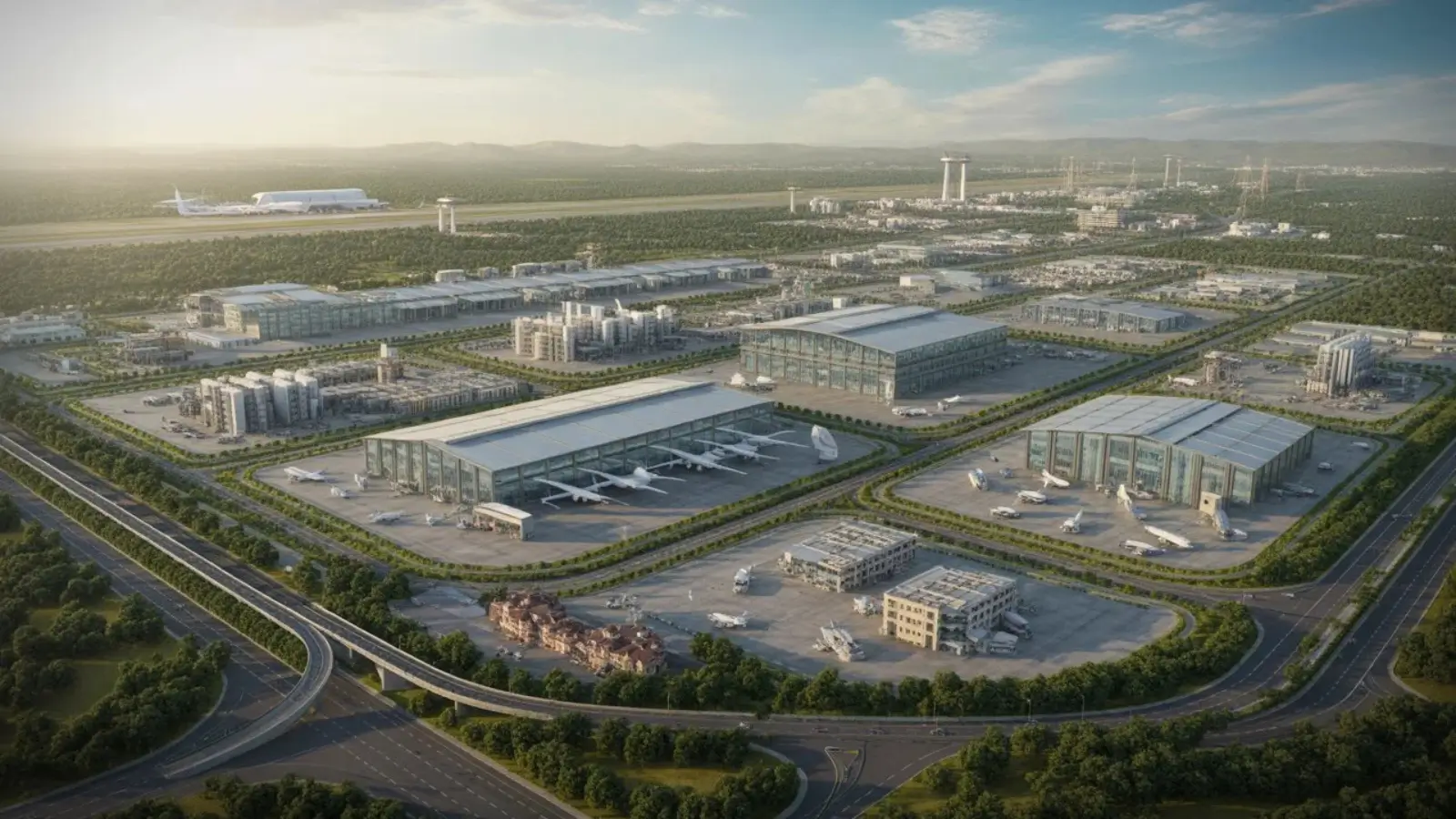
KIADB Aerospace Park and the North Bangalore Industrial Corridor
Industrial employment shapes housing demand differently from office employment, and northern Bengaluru now carries both. The kiadb aerospace park...